Hello, I’m Surya!

a Senior Product Designer specializing in complex systems, service design, and AI-enabled product experiences.

I design digital systems at the intersection of behavior, culture, and strategy.

With over six years of experience across enterprise UX, AI-enabled loyalty ecosystems, and research-led product design, I specialize in translating complex operational challenges into intuitive, high-impact user experiences. My background in sociology and economics informs a structural approach to design, one that considers incentives, identity, access, and power dynamics alongside usability.

From building an insurance operations portal that improved workflow efficiency to leading a 15-member team on an AI-powered airline loyalty transformation, I operate comfortably between strategy and execution. I combine service blueprint thinking, cross-functional collaboration, and strong documentation practices to deliver products that are not just usable, but systemically sound.

My Work

MRS Portal

Streamlining medical reporting for nurses
We redesigned the MRS workflow to cut report time from 8 hours to under 60 minutes. The result? A cleaner, faster, more intuitive tool that supports real care work behind the scenes.


Reimagining Airline Loyalty with AI

Led a team of 15 designers on a POC to boost engagement for an airline’s MileagePlus program. We designed a seamless, AI-powered travel experience with personalized itineraries, real-time recommendations, and goal-based rewards—turning loyalty into a rewarding adventure.
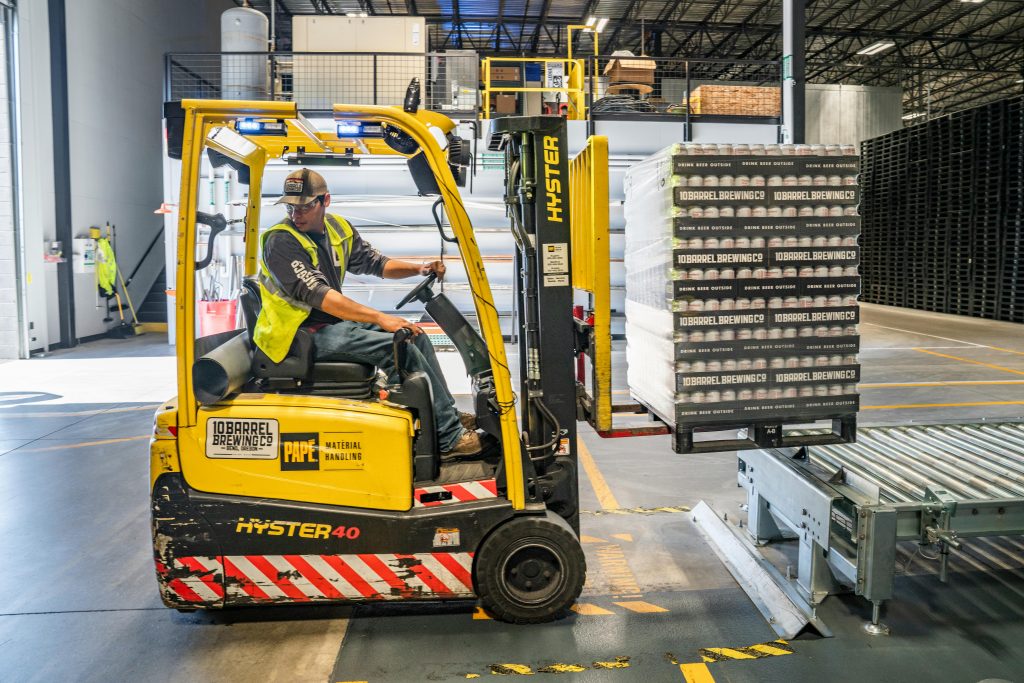

Payrates Management Application

Redesigned legacy application in a warehouse management system to improve task efficiency and reduce operational bottlenecks. Focused on usability and clarity to empower ground staff with intuitive tools that support faster, error-free operations.


  • The Gender Politics of Typography

    Typography can be a capable tool of intevention against social issues with its ability to render language visible or invisible Typography is often seen as a neutral tool of design—letters forming words, delivering meaning, supporting content. But type is never neutral. Its form carries cultural baggage, aesthetic judgments, and unspoken power dynamics. One of the…

  • The Gender Politics of Typography

    The Gender Politics of Typography

    Typography can be a capable tool of intevention against social issues with its ability to render language visible or invisible Typography is often seen as a neutral tool of design—letters forming words, delivering meaning, supporting content. But type is never neutral. Its form carries cultural baggage, aesthetic judgments, and unspoken power dynamics. One of the…


  • The Gender Politics of Typography

    The Gender Politics of Typography

    Typography can be a capable tool of intevention against social issues with its ability to render language visible or invisible

    Typography is often seen as a neutral tool of design—letters forming words, delivering meaning, supporting content. But type is never neutral. Its form carries cultural baggage, aesthetic judgments, and unspoken power dynamics. One of the most quietly entrenched of these dynamics is gender. From the curvy lines of “feminine” scripts to the bold, geometric force of “masculine” typefaces, the gender politics of typography operate subtly but pervasively across media, branding, and communication.

    Intersectionality in Typography

    Gender politics in typography don’t exist in a vacuum—they intersect with race, class, and language. Western type traditions have historically marginalized non-Latin scripts, relegating them to decorative status or flattening their complexity. Feminist and decolonial design movements are now reclaiming typographic space—creating new scripts, reviving indigenous writing systems, and amplifying multilingualism.

    Designers like Tré Seals of Vocal Type create fonts based on protest movements and civil rights histories, blending social justice with type design. These efforts expand the conversation from gender binaries to broader questions of representation, power, and voice.

    Towards a More Equitable Typography

    Typography is a political act—every font choice signals who belongs, who is heard, and who is taken seriously. By interrogating the gender norms embedded in type, designers can move beyond outdated binaries and create more inclusive visual languages.

    This doesn’t mean abandoning all aesthetic associations, but rather, becoming conscious of their origins and impacts. It means giving space to type designers of all genders, cultures, and backgrounds. It means asking: Whose voice is this typeface amplifying? Whose stories is it designed to tell?

    As our understanding of gender evolves, so must the tools we use to shape language. Typography—at once functional and poetic—has the power to either reinforce or reimagine the world. Let’s use it wisely.